
South Africa’s rich tapestry of cultures, with its 11 official languages and diverse ethnic groups, presents both a challenge and an opportunity for designers. Creating campaigns that resonate across this varied cultural landscape requires a thoughtful, inclusive approach that celebrates the nation’s diversity whilst maintaining cultural sensitivity.

Understanding the nuances of cross-cultural design is paramount when developing visual communications for South African audiences. This approach demands a deep appreciation of cultural backgrounds, historical contexts, and modern influences that shape the nation’s visual language.
The foundation of successful cross-cultural design lies in thorough research and genuine cultural understanding. Before embarking on any campaign, designers must immerse themselves in the target audience’s cultural context, studying everything from traditional art forms to contemporary expressions of identity. This knowledge forms the bedrock of authentic, respectful design that speaks to diverse audiences.
African design elements play a crucial role in creating visually inclusive campaigns. Traditional patterns, particularly fractals found in architecture and textiles, carry deep cultural significance. These geometric forms, which appear repeatedly in different scales, reflect the African philosophy of interconnectedness and community. Incorporating these elements thoughtfully can create a bridge between traditional and contemporary design aesthetics.
Colour selection requires careful consideration in cross-cultural design. The rich earth tones of terracotta, ochre, and deep browns connect with the landscape and traditional art forms, whilst vibrant colours like cobalt blue, sunshine yellow, and forest green reflect the energy and vitality of contemporary African culture. However, designers must research colour associations within different communities, as meanings can vary significantly across cultural groups.
Typography presents another opportunity for cultural inclusion. Whilst maintaining legibility is crucial, designers can incorporate elements of indigenous writing systems or traditional patterns into typefaces. This approach must be balanced with practical considerations of readability and accessibility across different platforms and contexts.
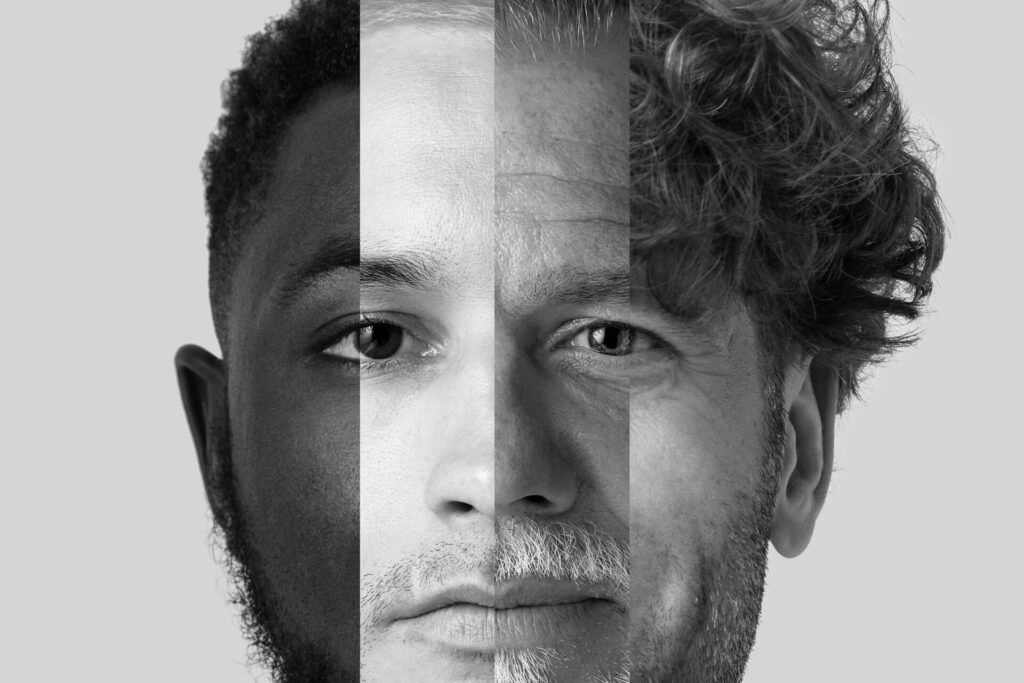
Visual representation is perhaps the most critical aspect of cross-cultural design. Campaigns must reflect South Africa’s diversity authentically, showing people of various ethnic backgrounds, ages, and social contexts. This representation should avoid stereotypes and instead showcase the genuine complexity and richness of South African society.
When selecting imagery, consider both traditional and contemporary contexts. Modern South African culture is a dynamic blend of historical traditions and contemporary influences. Effective campaigns acknowledge this duality, presenting images that resonate with both traditional values and modern aspirations.
The use of symbolic elements requires particular care. Many African cultures have rich traditions of symbolic communication through visual elements. However, these symbols must be used appropriately and in context. Designers should work with cultural consultants to ensure symbols are used respectfully and accurately.
Language consideration extends beyond mere translation. Different linguistic groups may interpret visual elements differently, and campaigns should be tested across various language groups to ensure consistent message delivery. This might mean creating multiple versions of a campaign to accommodate different cultural perspectives.
Technical considerations also play a role in cross-cultural design. Internet access and device usage vary across South Africa, so campaigns must be designed to function effectively across different platforms and bandwidth capabilities. This might influence decisions about image resolution, animation usage, and overall file sizes.
Community engagement throughout the design process is essential. Regular consultation with representatives from different cultural groups can provide valuable insights and help avoid potential misunderstandings. This collaborative approach often leads to more nuanced and effective design solutions.

The impact of social media on cross-cultural design cannot be ignored. Platforms like Facebook, Instagram, and Twitter have become important channels for reaching diverse audiences. Campaigns must be adaptable across these platforms whilst maintaining their cultural integrity and message consistency.
Testing campaigns before full deployment is crucial. This should include focus groups from different cultural backgrounds and regions to ensure the design resonates across diverse audiences. Feedback should be carefully considered and incorporated into final designs where appropriate.
Measuring success in cross-cultural design requires both quantitative and qualitative metrics. Beyond traditional engagement metrics, consider measuring cultural resonance through community feedback and long-term brand perception across different cultural groups.
The future of cross-cultural design in South Africa lies in creating work that celebrates diversity whilst fostering unity. Successful campaigns will continue to balance traditional elements with contemporary design approaches, creating visual communications that speak authentically to all South Africans.
As South Africa continues to evolve, so too must our approach to cross-cultural design. The key lies in remaining flexible and responsive to changing cultural dynamics whilst maintaining respect for traditional values and practices. Through thoughtful, inclusive design, we can create campaigns that truly represent and speak to South Africa’s remarkable diversity.