
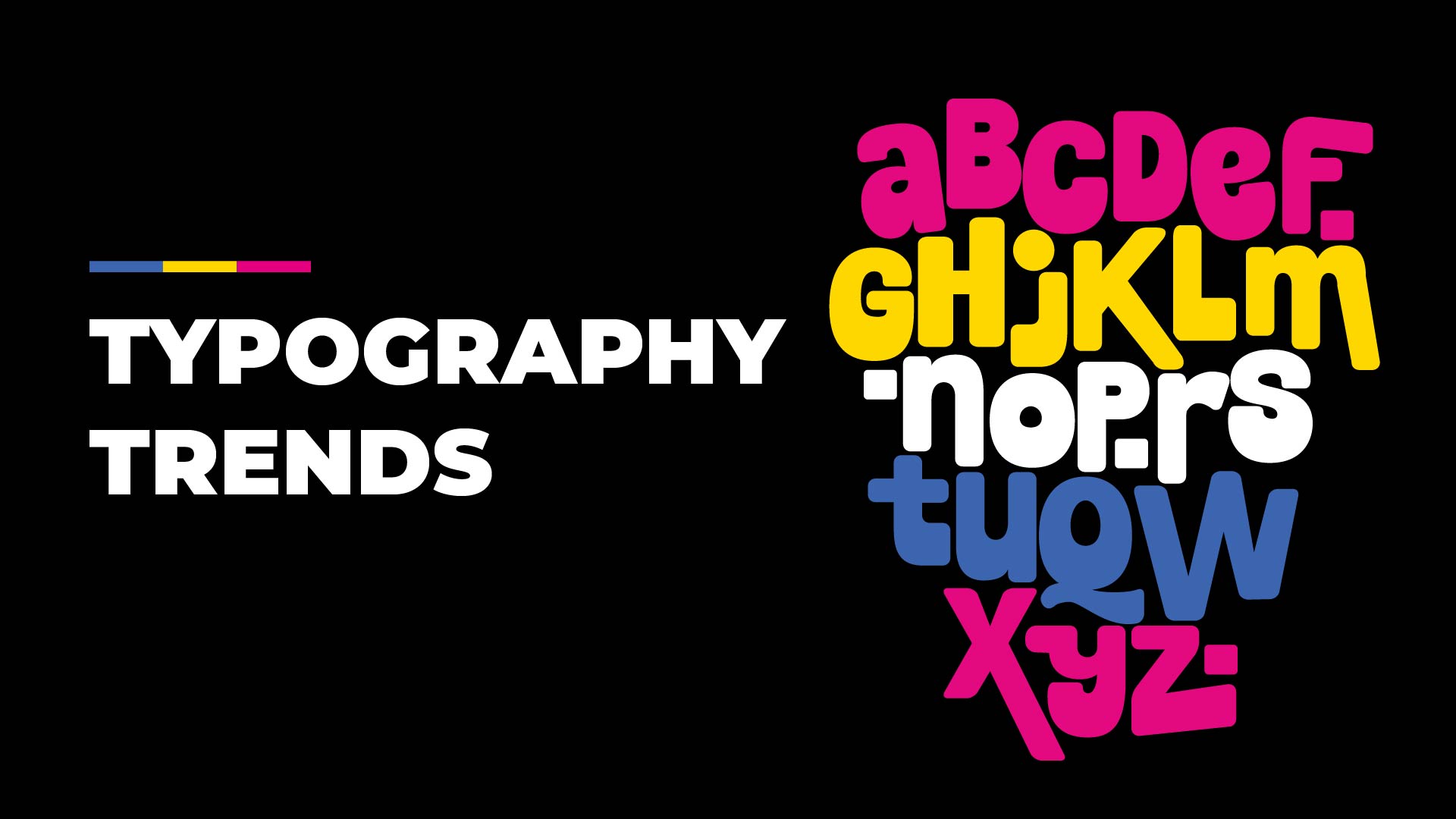
Typography stands as a cornerstone of visual branding, wielding significant influence over brand perception and message delivery. The thoughtful selection of fonts can dramatically affect brand communication effectiveness, shaping consumer emotions, trust levels, and brand recognition. Join us as we explore the intricate relationship between typography and brand psychology, examining current trends and their practical applications.
Understanding Font Psychology
Fonts transcend mere visual elements; they carry deep emotional and psychological implications that can either strengthen or weaken a brand’s message. Selecting appropriate typography requires careful consideration of brand personality, values, and target audience preferences. Several key psychological aspects warrant attention:
Legibility and Readability
The fundamental purpose of any font is clear information conveyance. Sans-serif fonts such as Helvetica and Arial are frequently chosen for their modern, clean appearance, making them particularly suitable for technology and fashion sectors.
Emotional Connection
Script fonts like Brush Script and Lobster generate feelings of elegance and creativity, finding frequent use in fashion and beauty industries.
Timelessness versus Trendiness
While timeless fonts ensure longevity, trendy options can provide contemporary appeal but risk becoming dated. Finding the right balance is essential for maintaining consistent brand identity.
Typography Trends in 2025
The typography landscape continues to evolve, bringing fresh trends annually. Key trends for 2025 include:
Experimental Typography
Fonts are increasingly becoming central design elements, breaking language barriers through visual communication. Display fonts and serifs are gaining prominence, alongside elongated and handwritten varieties.
Geometric Shapes
The rising popularity of geometric fonts and shapes offers a contemporary aesthetic. These elements provide stability and balance, particularly effective in branding and packaging design.
Hand-Drawn and Handcrafted Styles
A renewed interest in handcrafted imperfection reflects brands’ desire to convey authenticity and approachability. Hand-drawn fonts create an organic, artisanal aesthetic that resonates with modern consumers.
Practical Application in Modern Brand Design
When selecting brand typography, consider these practical applications:
Brand Alignment: Font personality should mirror brand values and messaging. Luxury brands might opt for Didot’s grandeur, while tech companies often choose Helvetica’s professional modernity.
Accessibility and Inclusivity: High-contrast colour schemes and bold typography enhance design accessibility, particularly for individuals with visual impairments.
Scalability: Select fonts with various weights and styles to ensure consistent appearance across all sizes and media formats.
Case Studies: Effective Font Selection
Several notable examples demonstrate successful typography implementation:
Apple’s Series 8 Watch campaign utilised bold, sans-serif typography with vibrant colours against black backgrounds, ensuring universal legibility while creating dynamic visual language.
Puma’s marketing employed minimalist maximalism, combining simplicity with intricate patterns. Large, clean typography emphasised their “FOREVER. FASTER.” message effectively.
Kiehl’s packaging incorporates vintage botanical illustrations and handwritten labels, creating nostalgic charm that strengthens consumer connections.
Dynamic Branding and Personalisation
2025 sees brands embracing dynamic branding and hyper-personalised designs. This approach creates tailored experiences with adaptive imagery, layout, and interactive elements based on user preferences. Custom data visualisations reflect individual choices, offering personalised insights derived from user activity.
The Future of Typography in Brand Communication
As we advance, typography continues to evolve beyond traditional boundaries. Brands must stay informed about emerging trends while maintaining their core identity. The successful integration of typography in brand communication requires understanding both current trends and timeless principles.